


mnl168 | Exploring the Engrossing Realm of Strategy Games
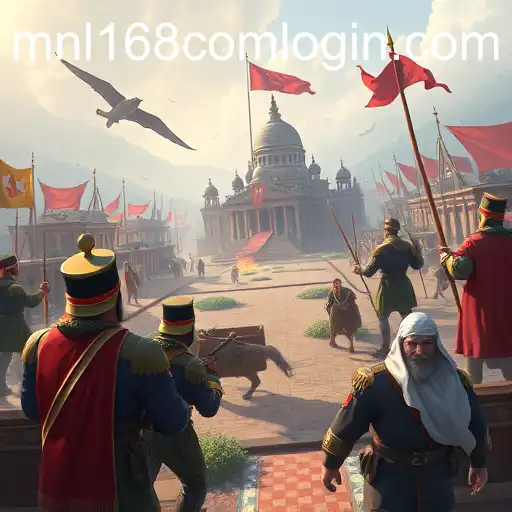
In the ever-evolving landscape of online gaming, few genres have captivated players' imaginations as extensively as strategy games. These games challenge the player to engage their cognitive faculties, crafting intricate plans and making strategic decisions to outmaneuver opponents or tackle complex puzzles. With 'mnl168' as a keyword, enthusiasts of strategy games have found a virtual haven where a myriad of options stretches out before them. Strategy games often span different styles and settings, ranging from historical battle simulations to fantastical realms of magic and myth. Popular subgenres include turn-based strategies (TBS), real-time strategies (RTS), and tower defense games. Each subgenre presents its own set of rules and challenges, yet all share a common thread: the demand for careful planning and foresight. Players who delve into these games on platforms like those advertised with ‘mnl168’ benefit from improved problem-solving skills and enhanced critical thinking abilities.
The appeal of strategy games lies in the freedom they afford players. Unlike other game genres that might restrict player interaction or limit choices to predetermined paths, strategy games typically provide vast environments and numerous ways to achieve objectives. This latitude encourages creativity and personalized gameplay, offering a sandbox for intellectual exploration. Whether planning the layout of a burgeoning city or spearheading a military campaign during wartime, strategy games require players to adapt, requiring them to think several steps ahead and anticipate challenges.
Online communities have become a crucial aspect of the strategy game experience, with platforms using 'mnl168' and similar tags facilitating vibrant forums where insights, tactics, and game experiences are shared. Players frequently exchange tips and devise new strategies, contributing to a collaborative learning environment that enhances the appeal of the games. Such platforms also often host tournaments and competitions, allowing players to pit their skills against others in the ultimate test of strategic prowess.
The integration of multiplayer capabilities within many strategy games has further fueled their popularity. Cooperative game modes enable players to join forces, uniting friends and allies in pursuit of common goals. Conversely, competitive modes amp up the thrill factor, urging participants to assert their dominance in challenging rival factions or clans. These varied interactions supplement solo play, offering enriched experiences that resonate with a broad audience. In conclusion, strategy games, particularly those showcased under 'mnl168', continue to attract a devoted following of gamers keen on matching wits, honing skills, and engaging in cerebral excitement.
